
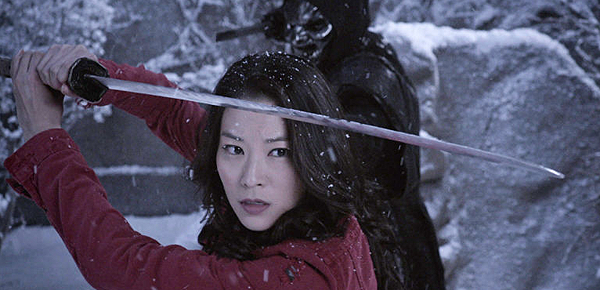
East-Asian people are some of the least commonly represented people in the shows we watched and the books we read. We’ve said repeatedly how damaging erasure is, and how important it is for marginalised people to be present in the media in general and in the genre, because of that it can be very very tempting to become extremely enthusiastic when we find a character that breaks the trend of erasure. Sadly, it can never be that simple, because like any marginalised portrayal, east-Asian characters come dogged with some nigh-mandatory tropes that can quickly send that enthusiasm crashing down.
With east-Asian people, the first trope we have to mention is martial arts. I do not know what Asian countries are like in these writer’s imagination - I can only picture a country where fare dodgers on the subway battle guards in dramatic taekwondo duels, a country where arguing neighbours engage in dramatic katana duels and where irate grandmothers deal with sassy grandkids with perfectly executed kung fu. Sometimes there are oddly bizarre explanations for why these characters can pull out the karate (on Teen Wolf Kira knows how to use a katana because magic. Basically) but often there’s not even that (Satome on the same show) - it’s assumed the character has learned it simply because. It doesn’t need explaining, any more than a western European character would have to explain why they can read.
Sometimes an Asian character will be dropped into a show simply to bring martial arts - Dark Angel had Max fighting through a ship of Korean navy personnel - must of which seemed to know martial arts. Magnificent Devices had a crewman called Yau - who knew martial arts (which was rather the extent of his character). Da Vinci’s Demons had Quon Shan who was there to impress with his martial arts moves (and be inscrutable, another essential Asian trope. All those martial arts battles in the writer’s imaginary east-asia? They’re call caused by communication break down because no-one can communicate with each other - they can only sit opposite each other and be mysterious, occasionally making the odd, cryptic comment),
Part of the problem of these random east-Asian martial artists inserted with little or no justification is that it establishes a trope that even pulls down characters who may have a conceivable reason to know martial arts: like Lily Yu in the World of the Lupi Series (though, really, should “urban fantasy protagonist” and “police woman” really be sufficient to justify a martial arts background?) and Mulan in Once Upon a Time (but even then - yes the original story of Mulan is martial - but the Asian character is the “princess” with martial arts while the non-Asian “princesses” definitely don’t - even Snow White has become less martial) or Catherine on Beauty and the Beast and Russel on The Tomorrow People (there it’s less justified and just part of EVERYONE randomly knowing martial arts for REASONS). The trope shines even when it fits - this is the damage a trope or stereotype causes, it’s so ubiquitous that even when it’s legitimately present it is pulled in as part of the stereotyped whole.
One common display of these martial arts is in the hands of the Yakuza. Yes, these Japanese organised crime syndicates have a presence just about everywhere. Teen Wolf and True Blood have both had them randomly drop in. The Sookie Stackhouse Series had Chow, a random Yakuza member as a bartender and Grimm had a Yakuza agent who may have been tied to the verrat… somehow.

